Mukavoitettujen kapina
Mukavoittamisohjelman alkupäivinä ei asetettu vuosittaisia kiintiöitä. Byro mukavoitti liian monia ja aiheutti ensimmäisen mukavoitettujen kapinan, joka johti ruokapulaan ja nälänhätään. Syyt ovat vielä epäselvät, mutta erään neurologisen oireen ympärille on muodostumassa konsensus.
Mukavoittaminen aiheuttaa kohteelle psykosomaattisen kutinan, joka kestää vuodesta kahteen vuoteen. Kutina pysyy alitajuntaisella alueella kunhan kohde ei oleile samassa tilassa muiden kutisevien kanssa. Jos kohde on toisen kohteen läheisyydessä, jonkinlainen resonanssi aiheuttaa kohteiden välille peili-efektin, ja he alkavat toistamaan toistensa oireita. Tämä voi johtaa koko popolaation läpikulkevaan oirehyökkäykseen.
Tämä teoria ei ole vielä muuttunut viralliseksi selitykseksi kapinalle, mutta muita varteenotettavia teorioita ei ole.
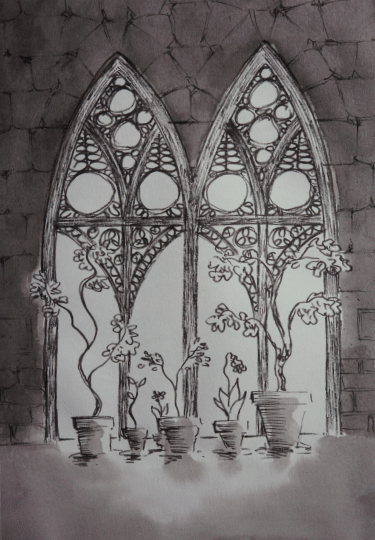
The Pleasant Rebellion
In the early days of the pleasant-making program there were no limits to how many could be made pleasant each year. The bureau overdid it and caused the first Pleasant Rebellion which led to serious food shortages and famine. The reasons are still debated but there is a consensus forming around a certain neurological tick behind the event.
The pleasant-making causes the subject to develop a psychosomatic itch that lasts from one to two years. The itch is below conscious level as long as the subject is not in vicinity of other people with the itch. When in same space, some kind of resonance causes the subjects to "mirror" each other's symptoms and this can lead to a cascading symptom aggravation through the population.
The theory has not yet risen to the level of official explanation for the rebellion but there are no serious competing hypothesis.